21st Century CE
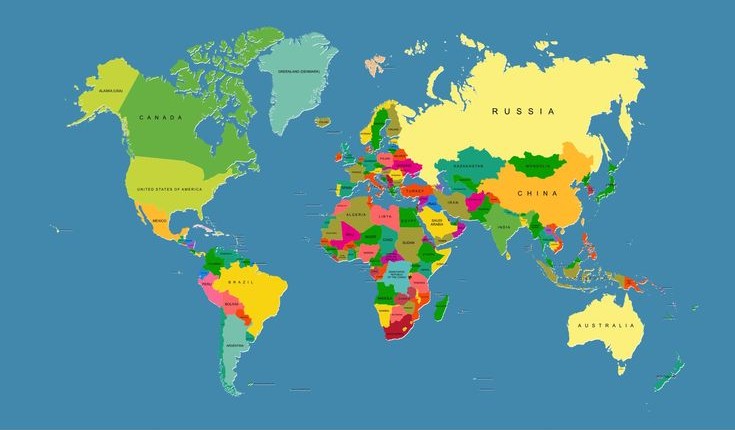
The 21st century has been characterized by globalized connectivity through the internet, the rise of new world powers, and the urgent challenges of climate change, terrorism, and global pandemics.
- Major Events
- September 11 terrorist attacks (2001 CE) trigger the Global War on Terrorism.
- The Great Recession (2007–2009 CE) highlights global financial interdependence.
- The COVID-19 Pandemic (2020–2023 CE) causes global health and economic crises.
- Accelerated focus on climate change mitigation and renewable energy development.
- Major Powers
- United States (Retains primary global influence)
- China (Emerges as a rival economic and geopolitical power)
- European Union (Major economic bloc)
- Russia (Resurgent geopolitical actor)
- Major Conflicts
- War in Afghanistan (2001–2021 CE) and Iraq War (2003–2011 CE).
- Ongoing proxy conflicts and civil wars in the Middle East and Africa.
- Geopolitical tensions over trade, technology, and territorial claims.
- Population Trends
- Global population continues to rise, but fertility rates decline in most developed nations.
- Rapid aging of populations in Western nations and parts of Asia (e.g., Japan, Europe).
- Key Leaders
- Barack Obama (First African-American U.S. President)
- Pervez Musharraf (Pakistans former President and Dictator)
- Angela Merkel (Long-serving Chancellor of Germany)
- Xi Jinping (General Secretary of the Communist Party of China)
- Key Intellectuals
- Greta Thunberg (Climate change activist)
- Yuval Noah Harari (Historian, author of Sapiens and Homo Deus)
- Elon Musk (Entrepreneur in space, electric vehicles, and AI technology)
- Major Religions
- Christianity and Islam remain the world's largest religions, with rapid growth in Africa.
- Increased tension between secularism and religious fundamentalism globally.
- The rise of non-affiliated or "nones" in Western census data.
- Key Developments
- Widespread adoption of smartphones and social media platforms.
- Breakthroughs in Artificial Intelligence, machine learning, and gene editing (CRISPR).
- Renewed focus on space exploration by commercial and state agencies.